You Don’t Have to Keep Carrying It: Building Independence Through Regulation in ADHD
When It Feels Like You’re Carrying Everything
Anchored Insights
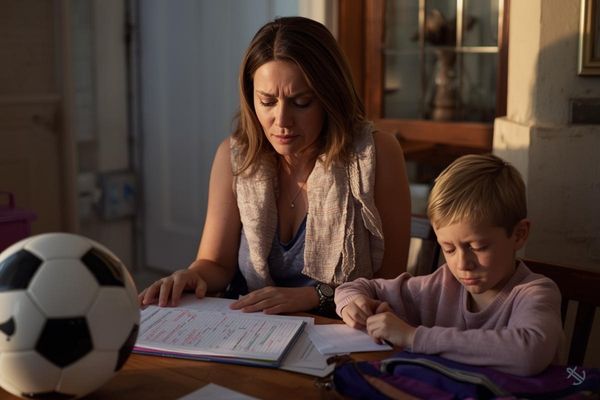
Many parents find themselves sitting at the table, doing more than they expected.
They remind.
They redirect.
They keep tasks moving.
Not because they want control.
Because without that support, things stall.
Over time, this becomes the system.
Why This Pattern Develops
Executive function depends on consistent access to the prefrontal cortex.
This includes:
Working memory
Task initiation
Cognitive flexibility
Follow-through
When the nervous system is overloaded, access to these skills becomes inconsistent.
Children may appear avoidant or unmotivated.
In reality, the brain is struggling to engage.
The Role of Regulation
Regulation allows the brain to stay online.
When the nervous system is more supported, we begin to see:
Increased task initiation
Improved follow-through
Greater flexibility
These changes are not forced.
They emerge when capacity improves.
Why Parents Step In More
When tasks do not move forward, parents compensate.
They step in to keep things from falling apart.
This is adaptive.
But over time, it can reinforce dependence.
Independence does not grow when the system relies on constant intervention.
What Changes the Pattern
Independence grows when we shift the sequence.
From pressure and correction
To regulation and structure
This includes:
Predictable decompression
Clear, manageable expectations
Gradual release of responsibility
Support that matches capacity
Summary
If it feels like you are carrying more than your child is, it is not a failure of effort.
It is often a reflection of reduced access.
When regulation improves, access improves.
When access improves, independence begins to grow.
You do not have to keep carrying this the same way.
If you are ready to move from understanding to implementation, Anchored Foundations is where we begin building this into your daily life.